Firm Tofu vs Silken Tofu: Which One Does Your Recipe Need?
Short answer: firm tofu (老豆腐) has been pressed, so it holds its shape — use it whenever the tofu needs to survive a spatula: stir-fries, pan-frying, deep-frying, skewers. Silken tofu (嫩豆腐) is unpressed and sets like custard — use it when softness is the point: soups, steamed dishes, mapo tofu, or eaten cold. Swapping them is the single most common reason home-made tofu dishes turn to mush.
Almost every "my tofu disintegrated" problem traces back to this one choice at the shop. Tofu is not one ingredient with a texture setting — the two types are made differently, absorb sauce differently, and behave completely differently under heat. The good news is the rule is simple, and once you know it you will never buy the wrong block again.
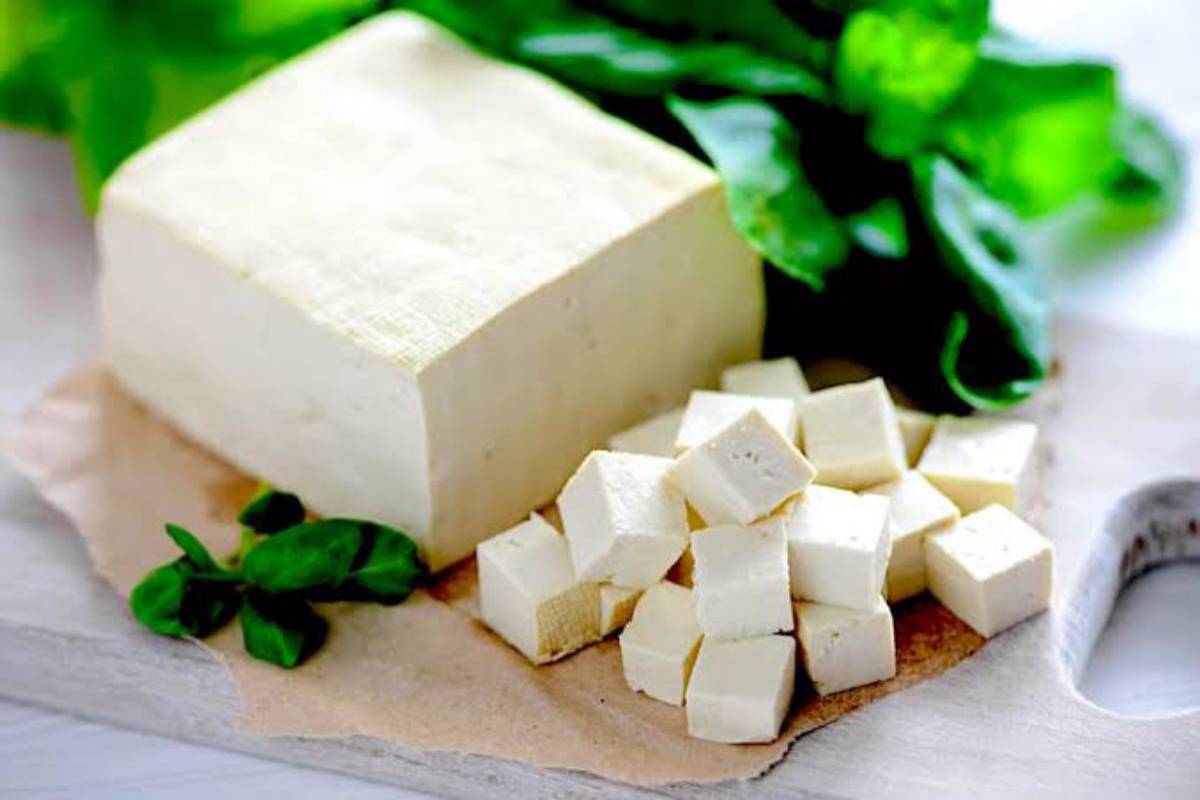

Side-by-side comparison
| Tofu (Firm) | Soft Tofu (Silken) | |
|---|---|---|
| Chinese name | 老豆腐 / 北豆腐 — "old" or northern tofu | 嫩豆腐 / 南豆腐 — "tender" or southern tofu |
| How it is made | Curds pressed to squeeze out water | Set in the container, never pressed or drained |
| Texture | Springy, sliceable, slightly chewy | Custard-like, wobbles, breaks under a fork |
| Best for | Stir-fries, pan-frying, deep-frying, braising, skewers, tofu "steaks" | Mapo tofu, miso soup, steamed tofu, hot and sour soup, cold tofu with soy and scallion |
| Behaviour under heat | Browns and crisps; keeps its cubes | Warms through and softens; will break if stirred hard |
| Sauce absorption | Soaks up marinade well, especially after pressing | Absorbs little — it is coated by the sauce rather than filled with it |
| Handling tip | Press 20-30 min under a weight for the best sear | Slide it in off the packet; push it around with the back of a spoon, never a spatula |
Which one should you buy?
If you are buying one block to keep in the fridge, buy firm — it is the more forgiving of the two and it covers the whole stir-fry family, which is where most people start. Buy silken specifically when a recipe names it, and buy it fresh: it is at its best within a day or two, and mapo tofu made with firm tofu simply is not mapo tofu. Many Chinese kitchens keep both, because they are not competing products.
Can you substitute one for the other?
In one direction, cautiously. You can use firm tofu in a soup or in mapo tofu — the dish will work, it will just be chewier and less luxurious than it should be. Going the other way rarely ends well: silken tofu in a stir-fry breaks into a scramble the moment you toss it, and it will not brown or crisp at all. If a recipe calls for silken and you only have firm, accept a firmer dish. If it calls for firm and you only have silken, change the plan and make something steamed or souped instead.
Frequently asked questions
Which tofu do I use for mapo tofu?
Silken (soft) tofu. The contrast between the silky cubes and the spicy doubanjiang sauce is the whole point of the dish. Slide the cubes in at the end and move them with the back of a spoon rather than stirring.
Why does my tofu fall apart in the wok?
Almost always because it is silken tofu, or firm tofu that was not pressed and drained. Press firm tofu under a weight for 20-30 minutes, pat it dry, and let it sit undisturbed in the hot oil until a crust forms before you move it.
Do I need to press silken tofu?
No. Pressing silken tofu just destroys it. Drain the packet liquid and use it straight away.
Is extra-firm tofu the same as firm tofu?
It is the same type, pressed further. Extra-firm is drier and chewier, which is excellent for deep-frying and skewers but can be tough in a quick stir-fry. Firm is the safer default.
Can I freeze tofu?
Firm tofu, yes — freezing makes it spongy and full of holes, which soak up sauce beautifully in braises and hot pot. Do not freeze silken tofu; it collapses into a watery mess when thawed.