Gochujang vs Doubanjiang: Two Red Chilli Pastes, Two Different Cuisines
Short answer: gochujang (고추장) is Korean, made from chilli, fermented soybean and glutinous rice — thick, sticky, noticeably sweet, and mild-to-medium in heat. Doubanjiang (豆瓣酱) is Chinese, made from fermented broad beans and chilli — salty, deeply savoury, coarse with visible bean pieces, and not sweet at all. Both are red pastes in a tub, and that is where the similarity ends.
These two get confused constantly, partly because Western supermarkets shelve them together as "chilli paste" and partly because the photos look identical. But gochujang is built on rice and carries sugar, while doubanjiang is built on broad beans and carries salt. Put a teaspoon of each on your tongue and the difference is immediate: one is sweet-hot like a glaze, the other is salty-funky like a miso that got angry.
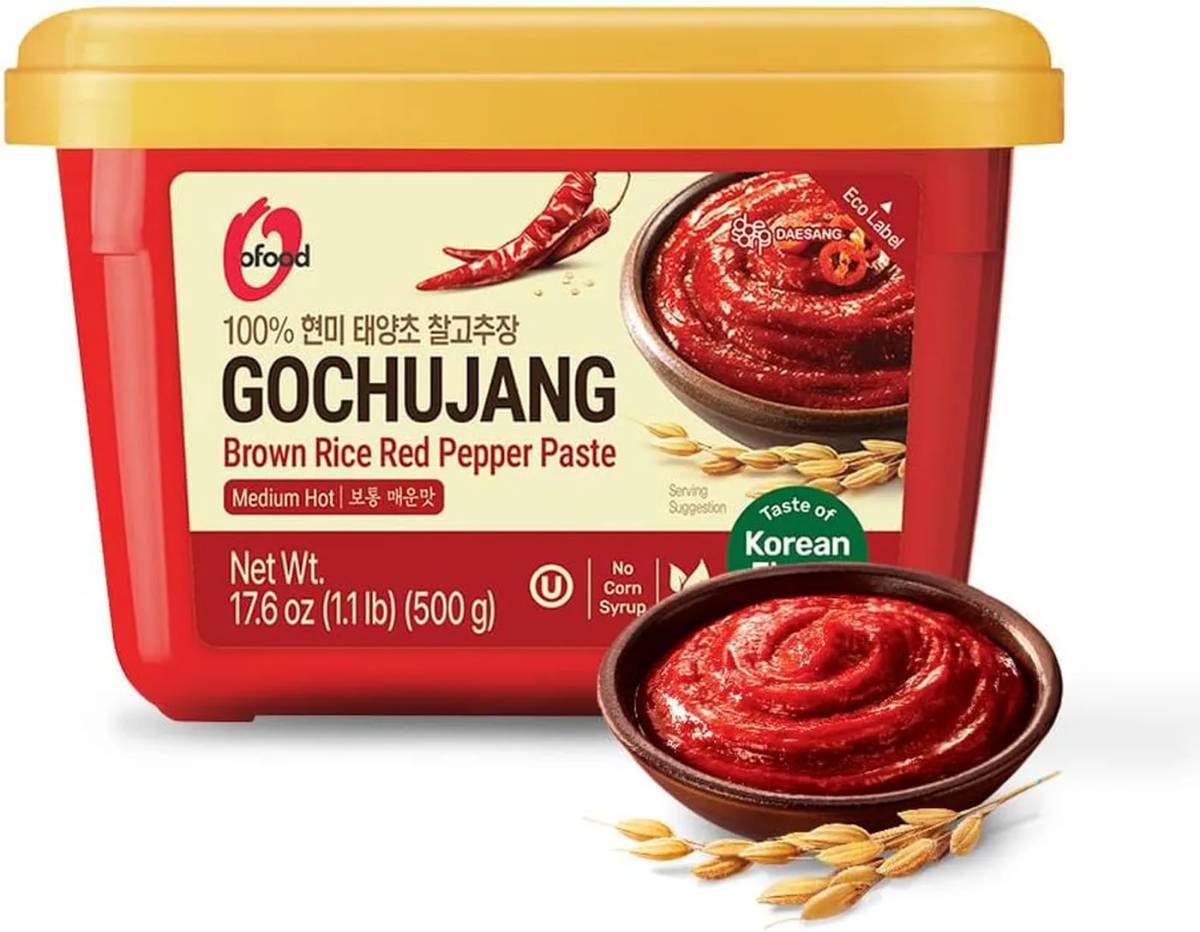
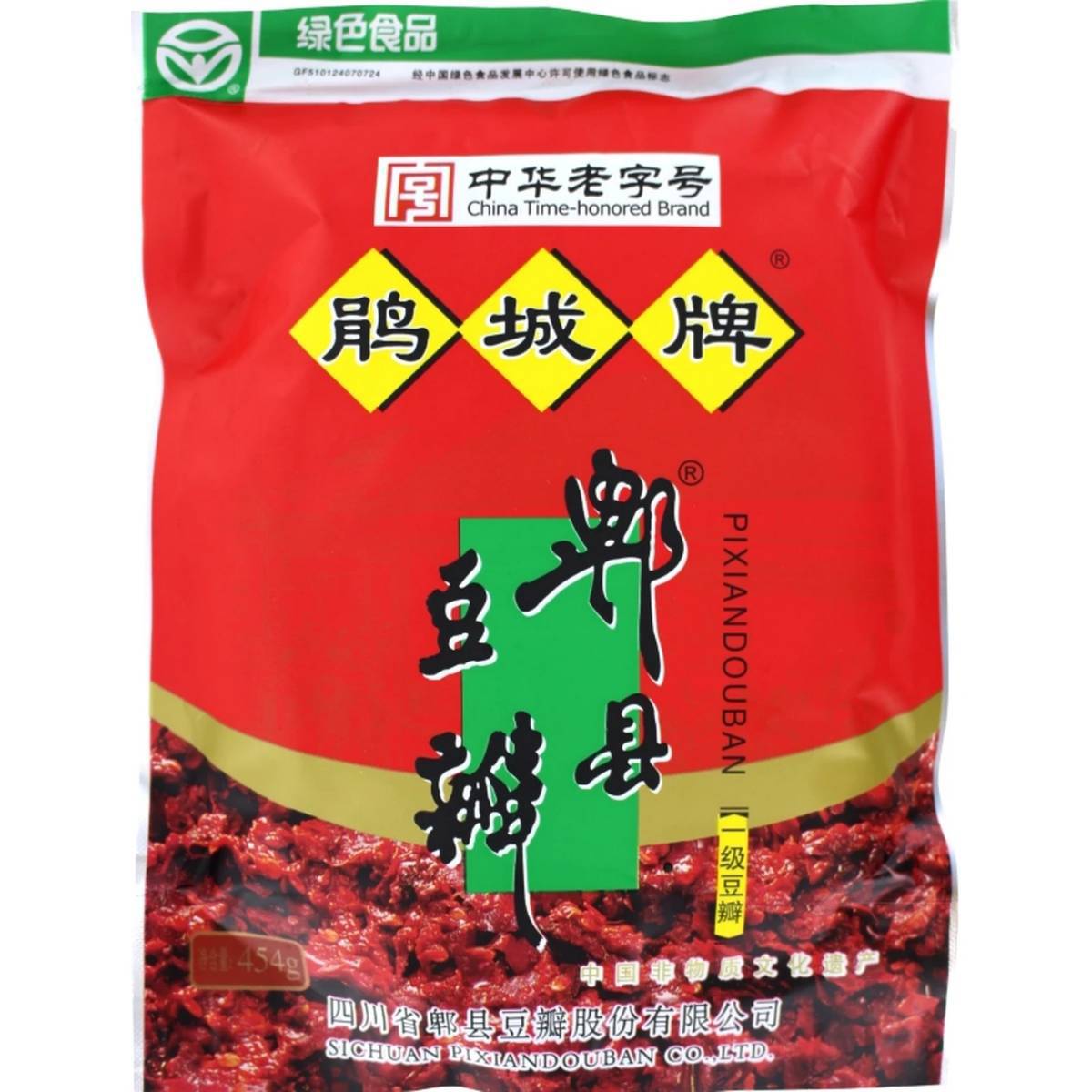
Side-by-side comparison
| Gochujang (Korean Chilli Paste) | Doubanjiang (Spicy Bean Paste) | |
|---|---|---|
| Origin | Korea | China (Pixian, Sichuan is the benchmark) |
| Made from | Chilli powder, fermented soybean, glutinous rice, salt | Fermented broad (fava) beans, chilli, salt, sometimes wheat flour |
| Taste | Sweet first, then warm heat; rounded | Salty and funky first; savoury depth, moderate heat |
| Texture | Smooth, thick, sticky like tomato paste | Coarse and chunky, visible bean and chilli pieces |
| Heat level | Mild to medium | Mild to medium — the salt hits harder than the chilli |
| Classic uses | Bibimbap sauce, tteokbokki, bulgogi marinade, Korean fried chicken glaze, stews | Mapo tofu, twice-cooked pork, dan dan noodles, Sichuan braises, hot pot base |
| How it is used | Often stirred in raw or at the end; also thinned into sauces | Fried in oil at the start until the oil turns red — this step is not optional |
| Sweetness | Yes — rice sugars are part of the recipe | None |
Which one should you buy?
Buy for the cuisine you actually cook, not as a general "chilli paste". If Korean food is the draw — bibimbap, tteokbokki, Korean fried chicken — gochujang is essential and one tub lasts months in the fridge. If you are heading into Sichuan cooking, doubanjiang is non-negotiable: mapo tofu, twice-cooked pork and dan dan noodles are all built on it, and look for Pixian doubanjiang (郫县豆瓣酱) specifically, ideally aged. If you cook both cuisines, you need both — there is no single paste that covers them.
Can you substitute one for the other?
Only in an emergency, and the result will be recognisably off. Gochujang in mapo tofu makes it sweet and one-dimensional, and it misses the fermented bean funk that gives Sichuan dishes their backbone. Doubanjiang in tteokbokki makes it harshly salty and strips out the sweetness the dish depends on. If you must improvise: to fake gochujang, thin doubanjiang with a little sugar and miso; to fake doubanjiang, mix miso paste with chilli flakes and a splash of soy. Neither is convincing, but both are better than nothing.
Frequently asked questions
Is gochujang the same as doubanjiang?
No. Gochujang is a sweet Korean paste made with glutinous rice; doubanjiang is a salty Chinese paste made with fermented broad beans. They are used in different cuisines and are not interchangeable without noticeably changing the dish.
Which is spicier, gochujang or doubanjiang?
Both sit in the mild-to-medium range, and neither is as hot as people expect. Gochujang tends to read hotter because the sweetness makes the chilli more noticeable; doubanjiang reads saltier than it does spicy.
Which paste do I need for mapo tofu?
Doubanjiang — ideally Pixian doubanjiang. It has to be fried in oil until the oil turns red before anything else goes in the wok. Gochujang will not give you mapo tofu.
Do I need to cook doubanjiang before using it?
Yes. Frying it in oil over medium heat until the oil turns red and it smells fragrant is what unlocks its flavour and colour. Adding it raw at the end leaves the dish tasting flatly salty.
How long do they keep?
Both keep for months to over a year in the fridge once opened, thanks to their salt content. Keep the surface covered and use a clean spoon each time.