Light Soy Sauce vs Dark Soy Sauce: What's the Difference?
Short answer: light soy sauce (生抽, shēngchōu) is thin and salty — it is the everyday seasoning sauce that brings flavor. Dark soy sauce (老抽, lǎochōu) is thicker, darker, less salty and slightly sweet — its job is color, giving braised and "red-cooked" dishes their deep mahogany shine. They are not interchangeable.
This is the single most common mistake in Western kitchens cooking Chinese food: a recipe calls for "soy sauce," you grab whichever bottle is at hand, and the dish comes out either pale and flat or dark and bitter. Chinese cooking treats these as two completely different ingredients — most savory dishes actually use both, in different amounts, for different reasons.
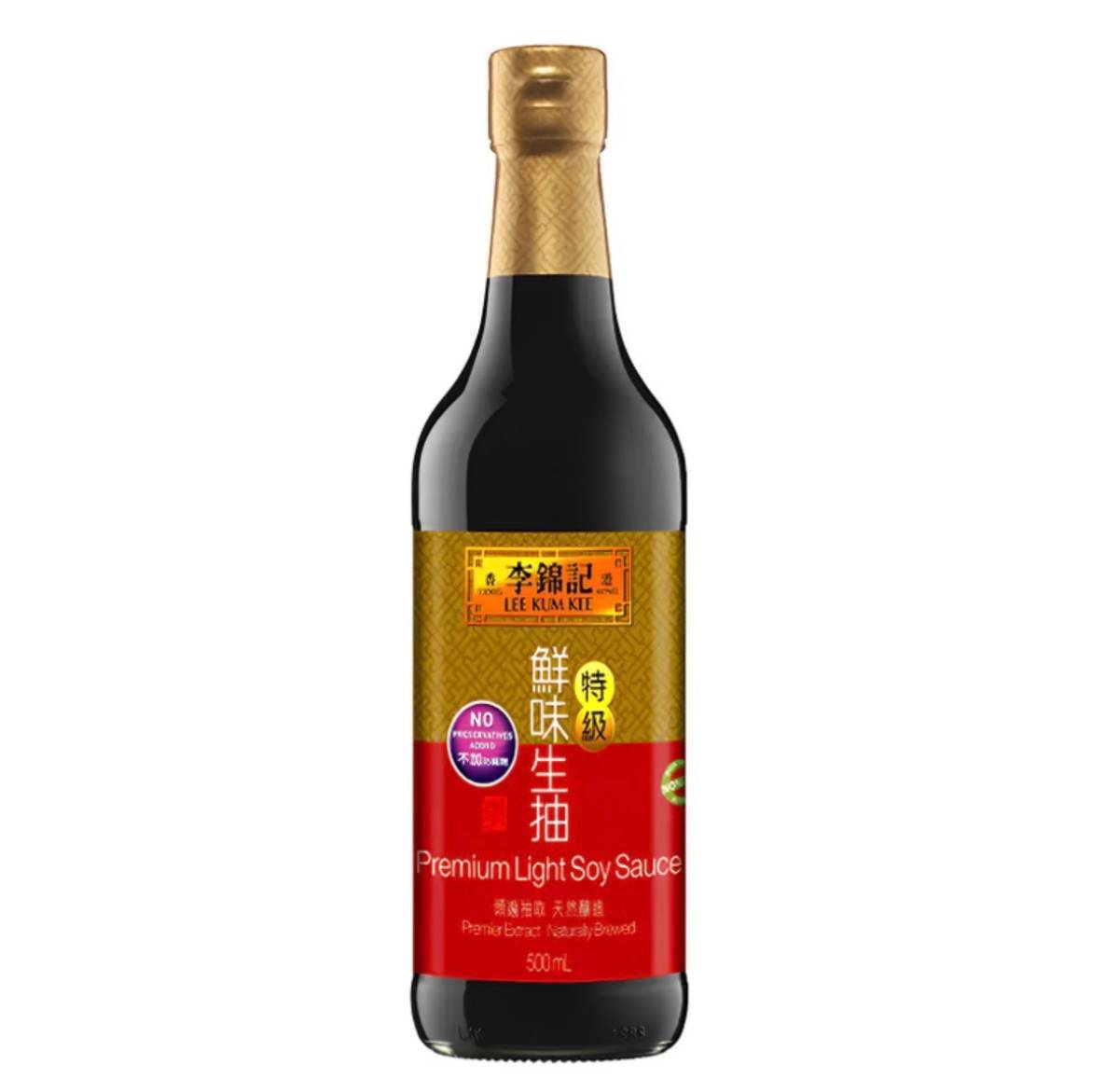
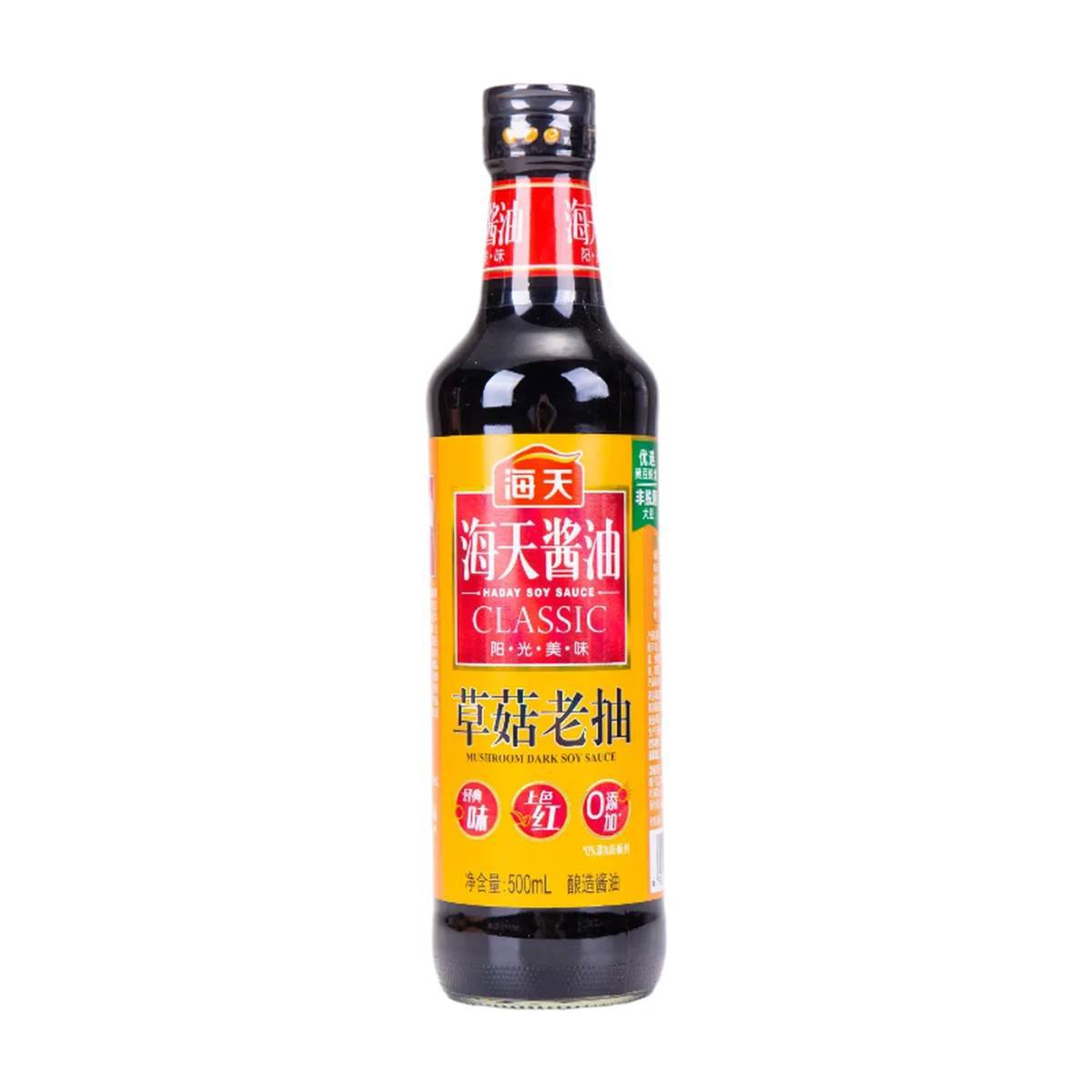
Side-by-side comparison
| Light Soy Sauce | Dark Soy Sauce | |
|---|---|---|
| Chinese name | 生抽 (shēngchōu) — "fresh extraction" | 老抽 (lǎochōu) — "aged extraction" |
| Main job | Seasoning — brings saltiness and umami | Color — gives dishes a deep, glossy brown |
| Saltiness | Saltier | Less salty, slightly sweet (often with molasses) |
| Texture & color | Thin, light reddish-brown | Thicker, almost black, coats the spoon |
| Classic uses | Stir-fries, dipping sauces, marinades, dumpling sauce, fried rice seasoning | Red-braised pork (hongshao rou), soy sauce eggs, braised noodles, char siu color |
| When it goes in | Throughout cooking, or raw as a dip | During braising or at the coloring stage — rarely used raw |
| Typical amount | The main soy sauce — by the tablespoon | A little goes far — usually ½ to 1 teaspoon |
Which one should you buy?
If you only buy one, buy light soy sauce — it is what 90% of recipes mean by "soy sauce" and what you season with daily. But for 2-3€ more, the dark bottle unlocks the entire family of Chinese braised dishes: red-braised pork, soy eggs, lu rou fan. Real Chinese home cooking keeps both next to the stove.
Can you substitute one for the other?
Not really — and this is the one swap that genuinely ruins dishes. Using dark soy instead of light makes food look burnt and taste flat (not enough salt). Using light instead of dark leaves braises pale and watery-looking, and adding more only makes them too salty. If a recipe lists both, it needs both. The only acceptable emergency: skip the dark soy and accept a paler dish.
Frequently asked questions
Are light and dark soy sauce interchangeable?
No. Light soy sauce is for salt and flavor; dark soy sauce is for color. Swapping them makes dishes either too salty and pale, or flat-tasting and overly dark.
Which soy sauce should I use if the recipe just says "soy sauce"?
Light soy sauce. In Chinese recipes, an unqualified "soy sauce" almost always means light soy (生抽). Western supermarket soy sauce (like Kikkoman) is closest to light soy.
Which soy sauce for fried rice?
Mostly light soy sauce for flavor, plus a small dash of dark soy sauce if you want the golden-brown restaurant color.
Is dark soy sauce the same as sweet soy sauce (kecap manis)?
No. Indonesian kecap manis is much sweeter and thicker, like syrup. Dark soy sauce is only mildly sweet — they are not substitutes.